
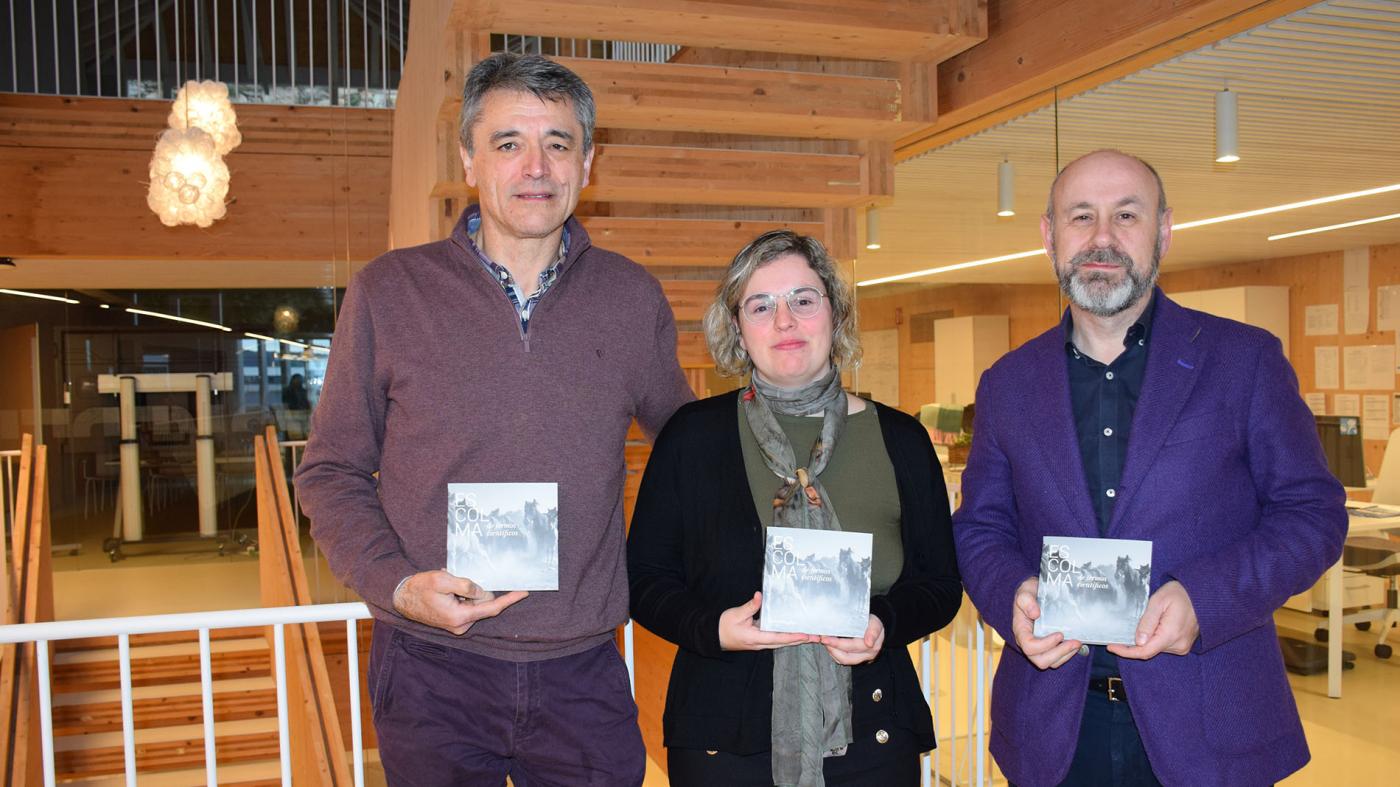
“Quiñón”, “augas de pilla pillota e de torna a torna”, “serventía”, “esteiro”, “petróglifo”, “choupín” ou “fungo” son palabras que teñen en común, ademais de pertencer aos ámbitos xurídico, medio ambiental e micolóxico, que reflicten un vínculo entre o coñecemento especializado e a identidade galega. Estes termos sumados a outros 26 integran o primeiro glosario Escolma de termos científicos, un mini-diccionario de vocabulario científico e técnico, unha iniciativa da Unidade de Cultura Científica e da Innovación (UCC+i) da UVigo, co obxectivo de recoller e conservar termos científicos enxebres, procedentes de distintas áreas de coñecemento e vinculados co territorio propio.
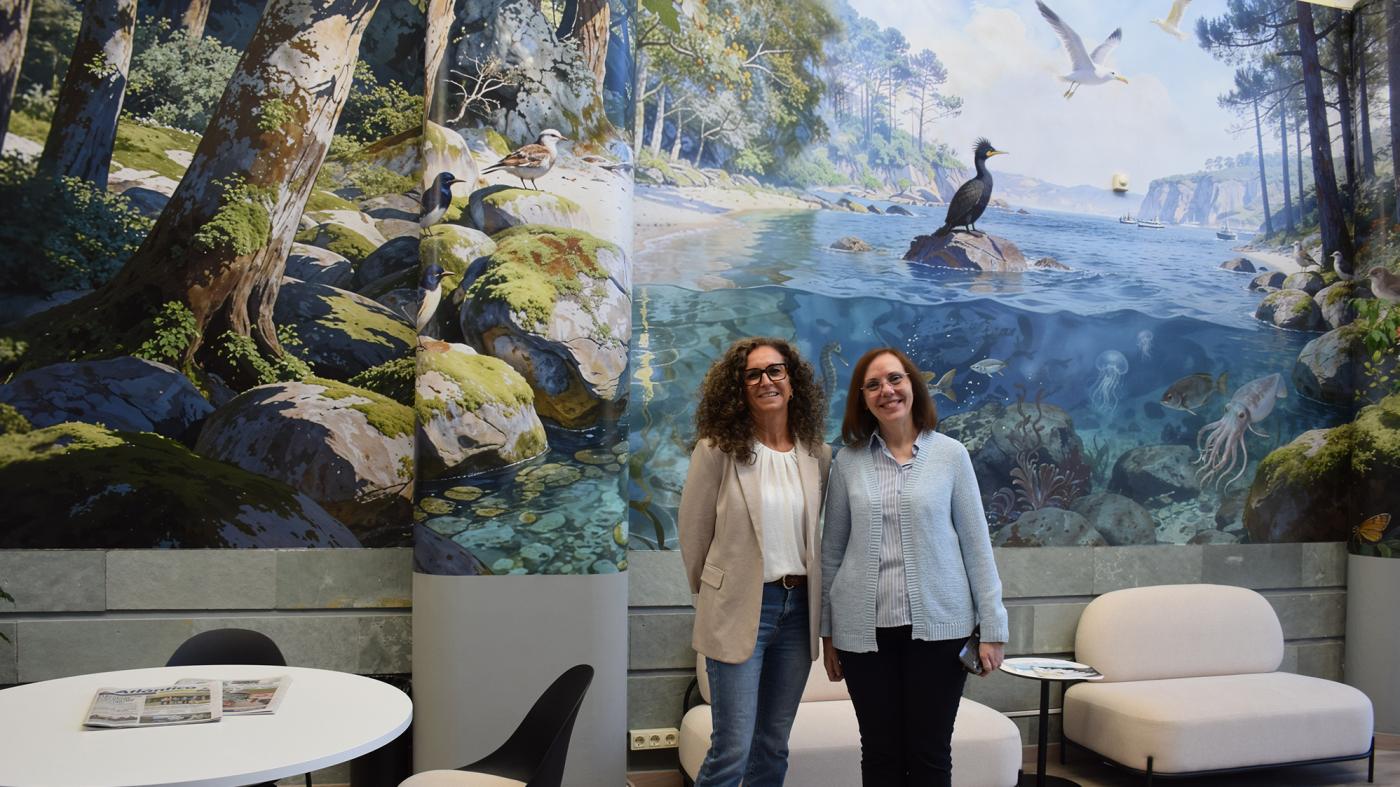
Os docentes e investigadores da UVigo Xosé Manuel Pacho, Manuel Ángel Pombal e María Cabaleiro son os autores da escolma de termos nos ámbitos do dereito, o medio ambiente e a micoloxía, respectivamente, que se corresponden coas súas áreas de investigación e que escolleron pola súa relación co territorio, a cultura, as tradicións ou a historia. “Normalizar o uso do idioma propio no ámbito educativo, facer visible o traballo investigador que se realiza na Universidade de Vigo en galego e apoiar a investigación científica nesta lingua”, son os obxectivos da publicación, segundo explicou a vicerreitora de Comunicación e Relacións Institucionais, Mónica Valderrama, no acto de presentación do volume, que tivo lugar este mañá no edificio Redeiras.
 Master in Aquaculture
 Master in Marine Biology
 Master in Advanced Biotechnology
 Master in Neuroscience
 Master in Terrestrial Biodiversity
 Master in Genomics and Genetics
 Master in Teaching Training